PROJECTS
Each project is a story of leadership, vision, and community. Explore some of our most meaningful collaborations.

Each project is a story of leadership, vision, and community. Explore some of our most meaningful collaborations.


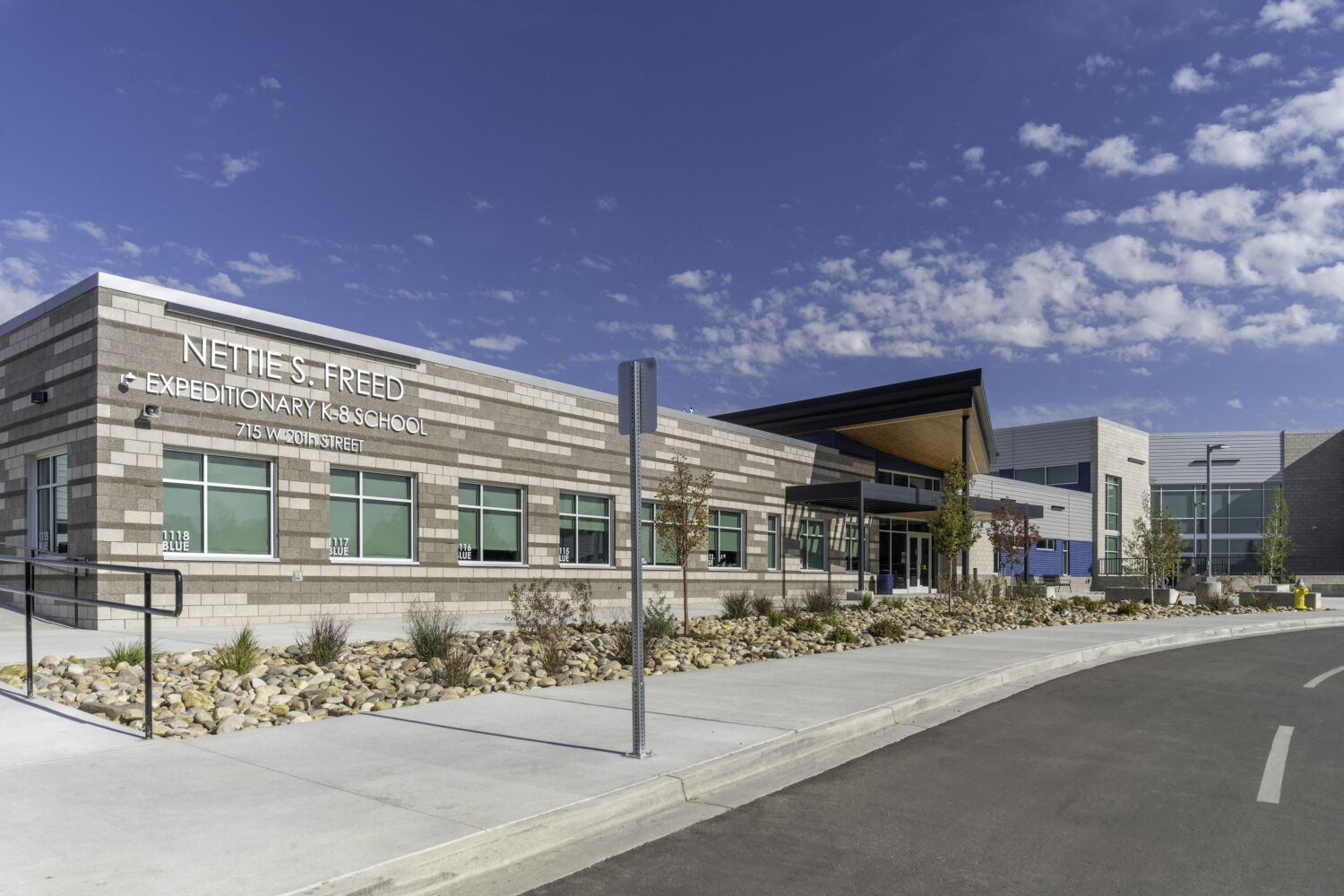
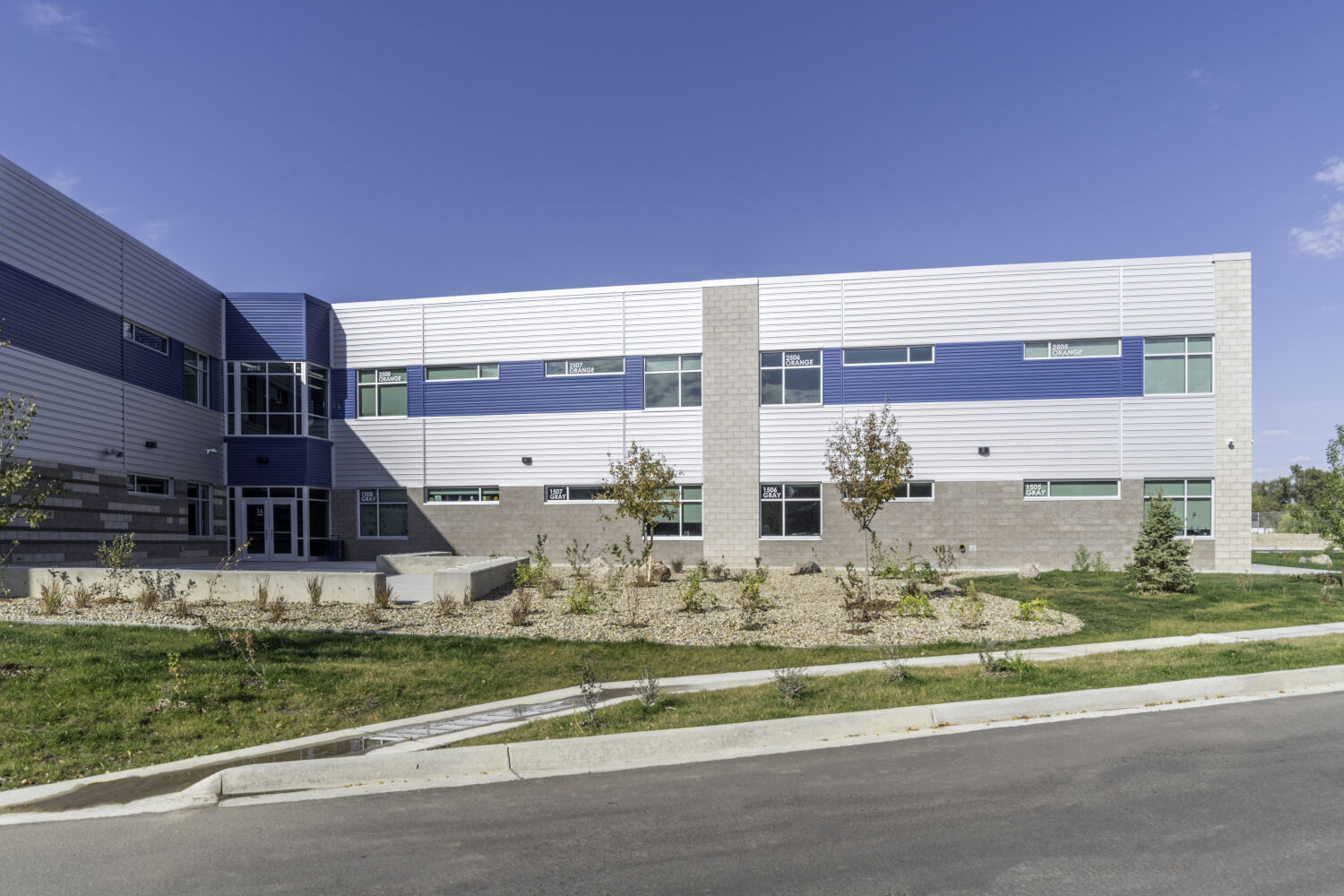
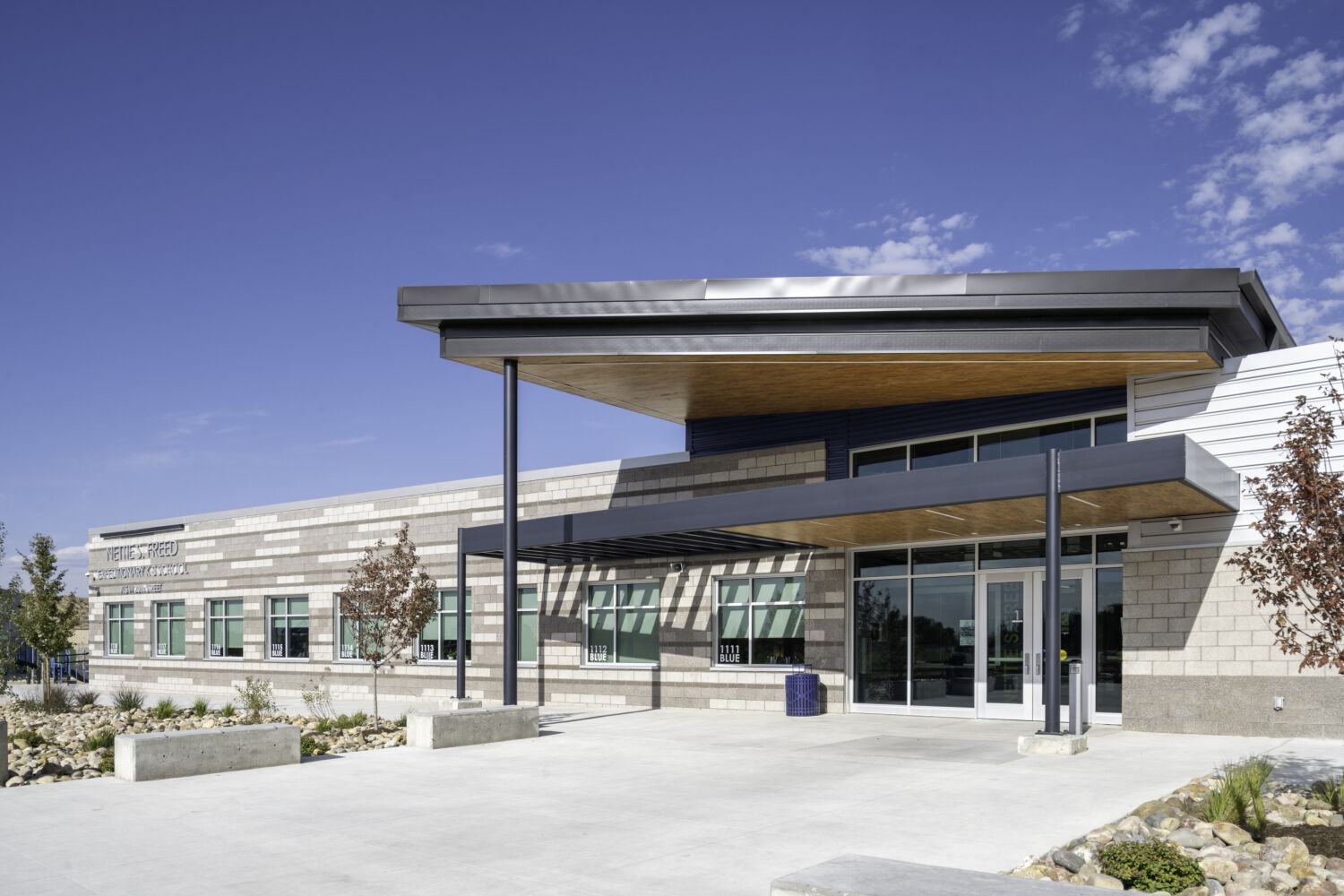
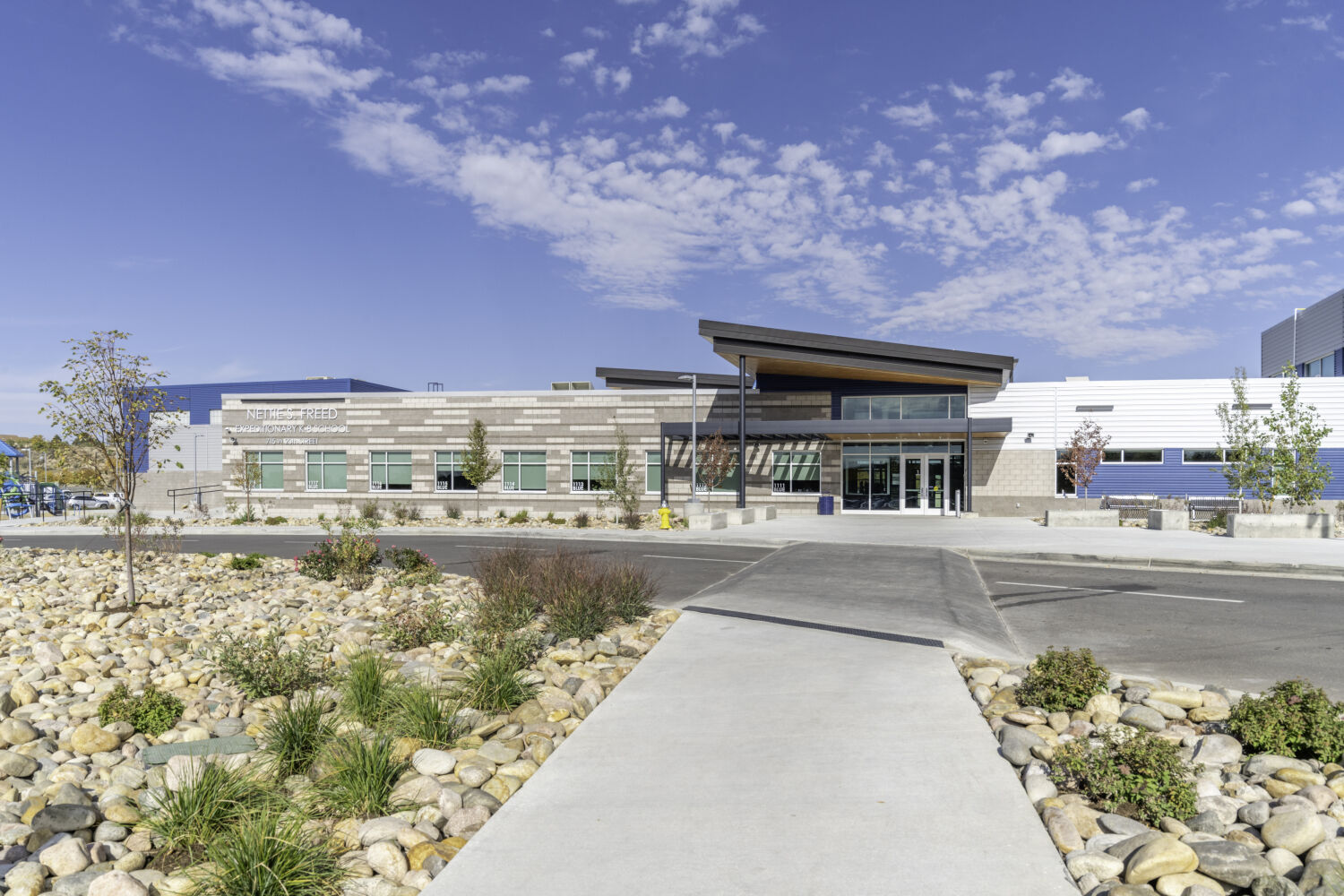
Nettie S. Freed K–8 Expeditionary School provides a new home for a “school of choice” within Pueblo School District 60, expanding access to innovative, hands-on learning for students across the community. Designed as part of the district’s 2019 bond initiative, the project represents one of five new schools delivered through strategic planning, cost savings, and careful reinvestment—turning opportunity into impact.
Located on the historic site of the former Freed Middle School, the new two-story, 650-student facility builds upon MOA ARCHITECTURE’s prototype elementary school design while expanding to serve grades K–8. The school is named in honor of Nettie S. Freed, Colorado’s first Commissioner of Education, recognizing her legacy in shaping public education and reinforcing the project’s commitment to forward-thinking learning environments. The school opened with kindergarten through sixth grade and is growing into a full K–8 model, addressing a critical gap in middle school access on Pueblo’s north side.
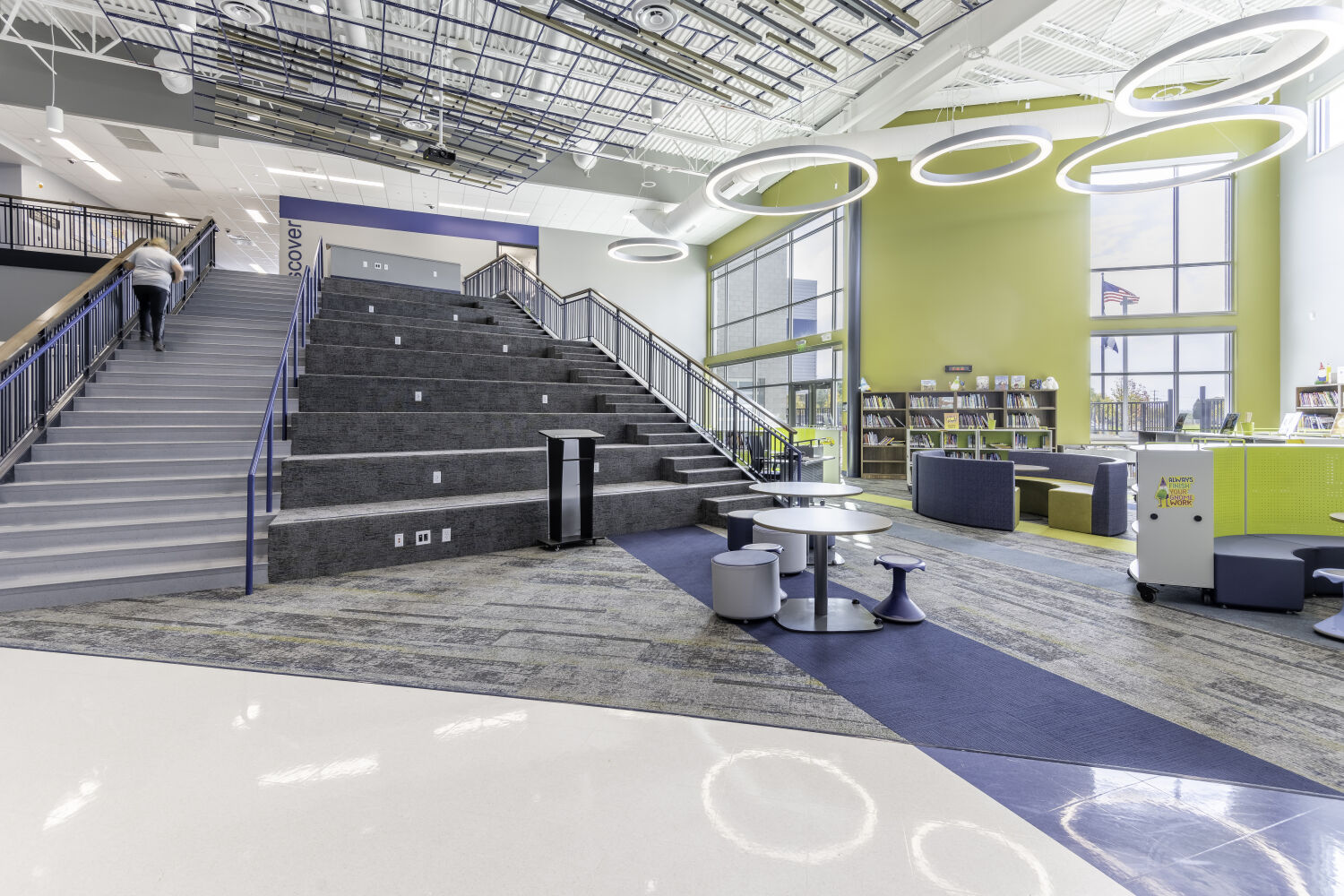
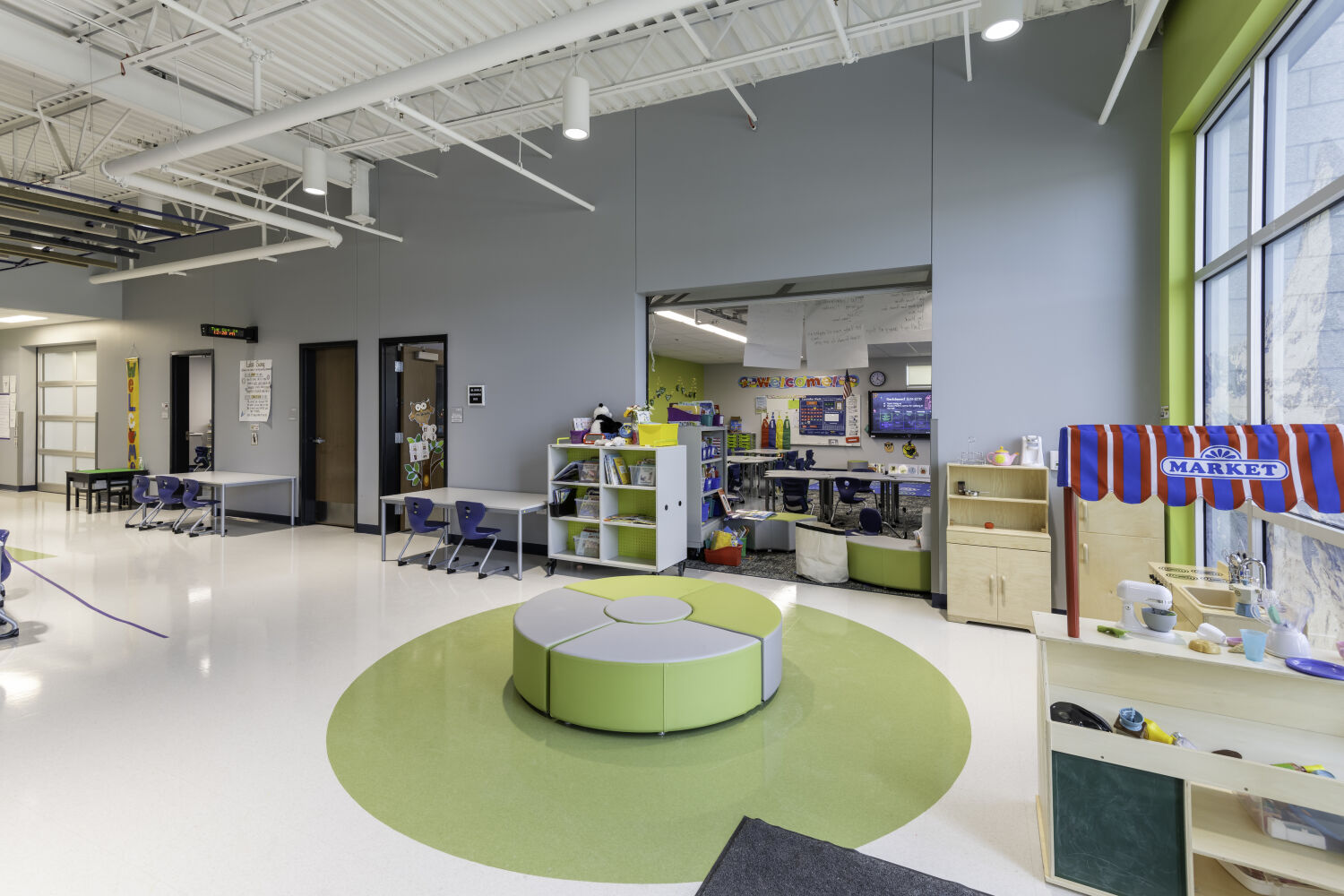
The vision for Nettie S. Freed K–8 is rooted in Expeditionary Learning—an educational model centered on curiosity, collaboration, and real-world application. Developed through a partnership between the Harvard Graduate School of Education and Outward Bound, this approach emphasizes interdisciplinary “expeditions,” relationship-building, and hands-on discovery.
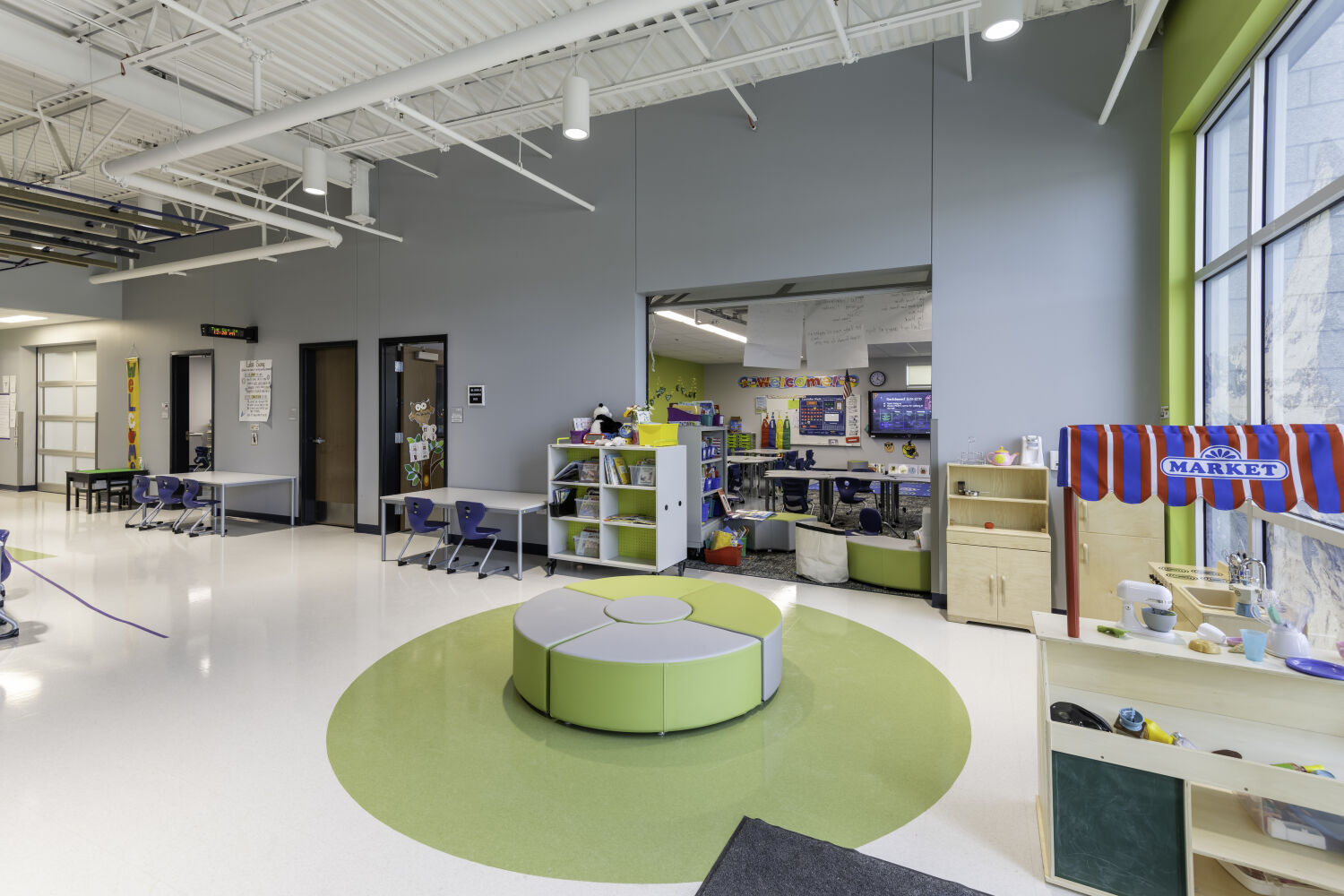
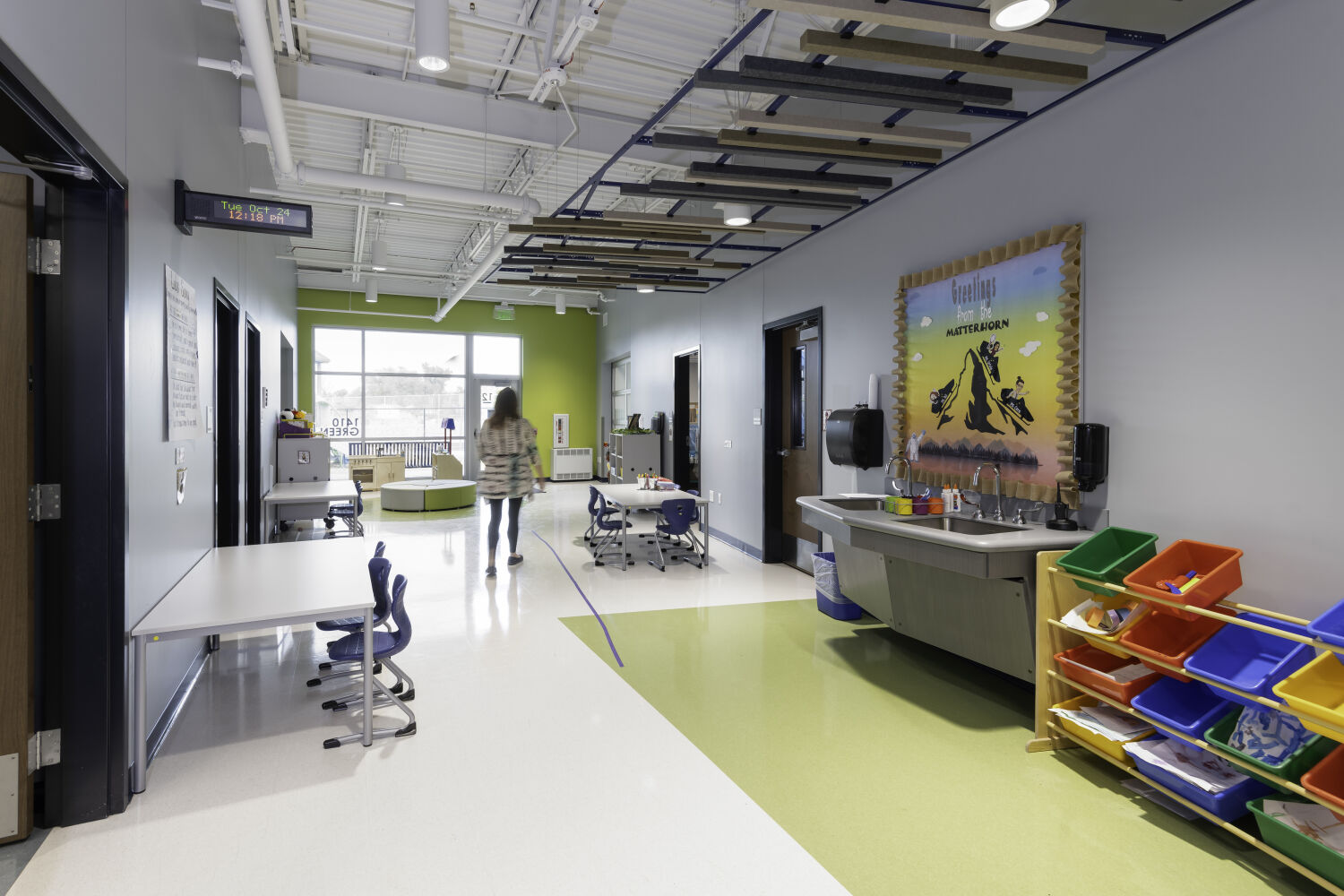
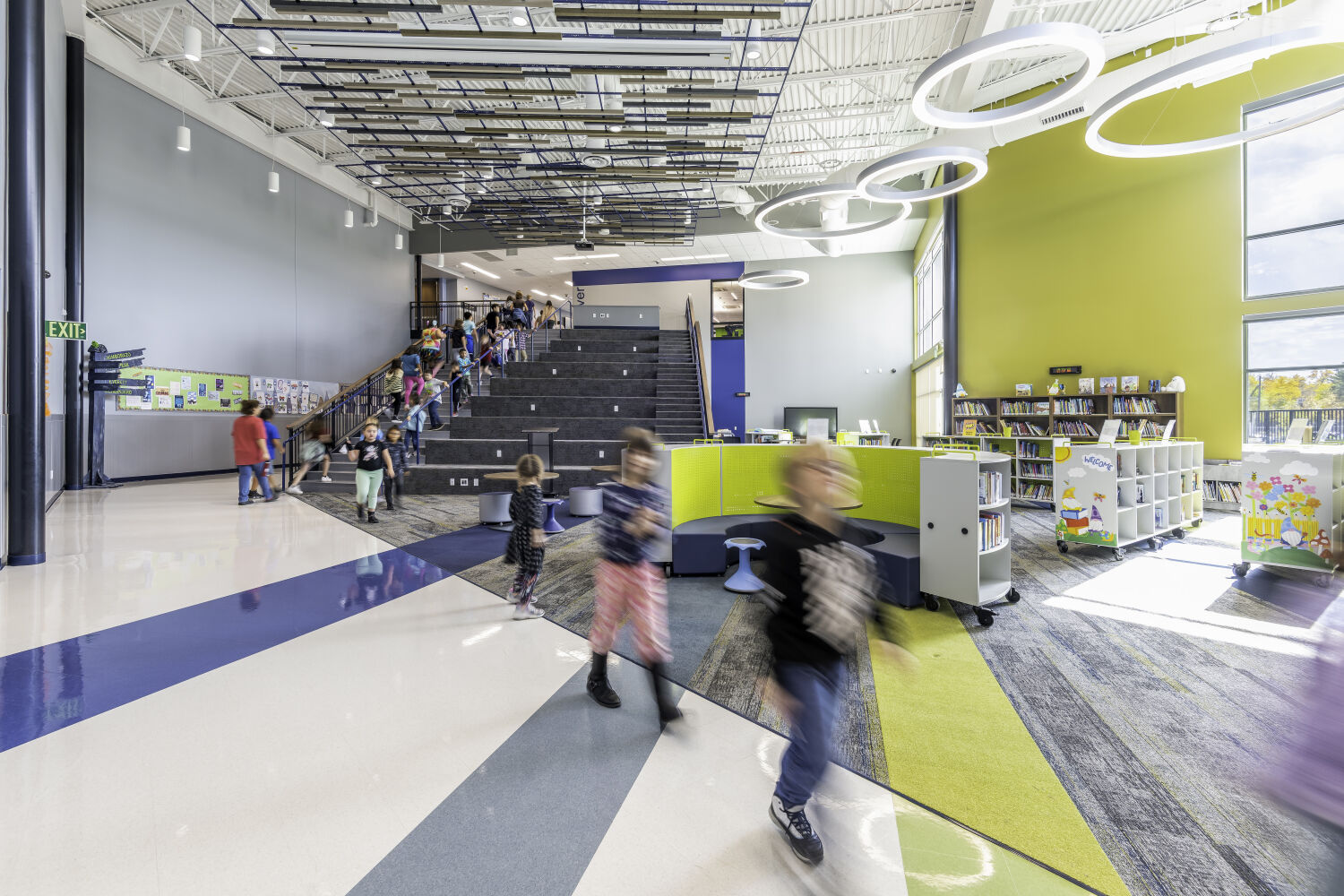
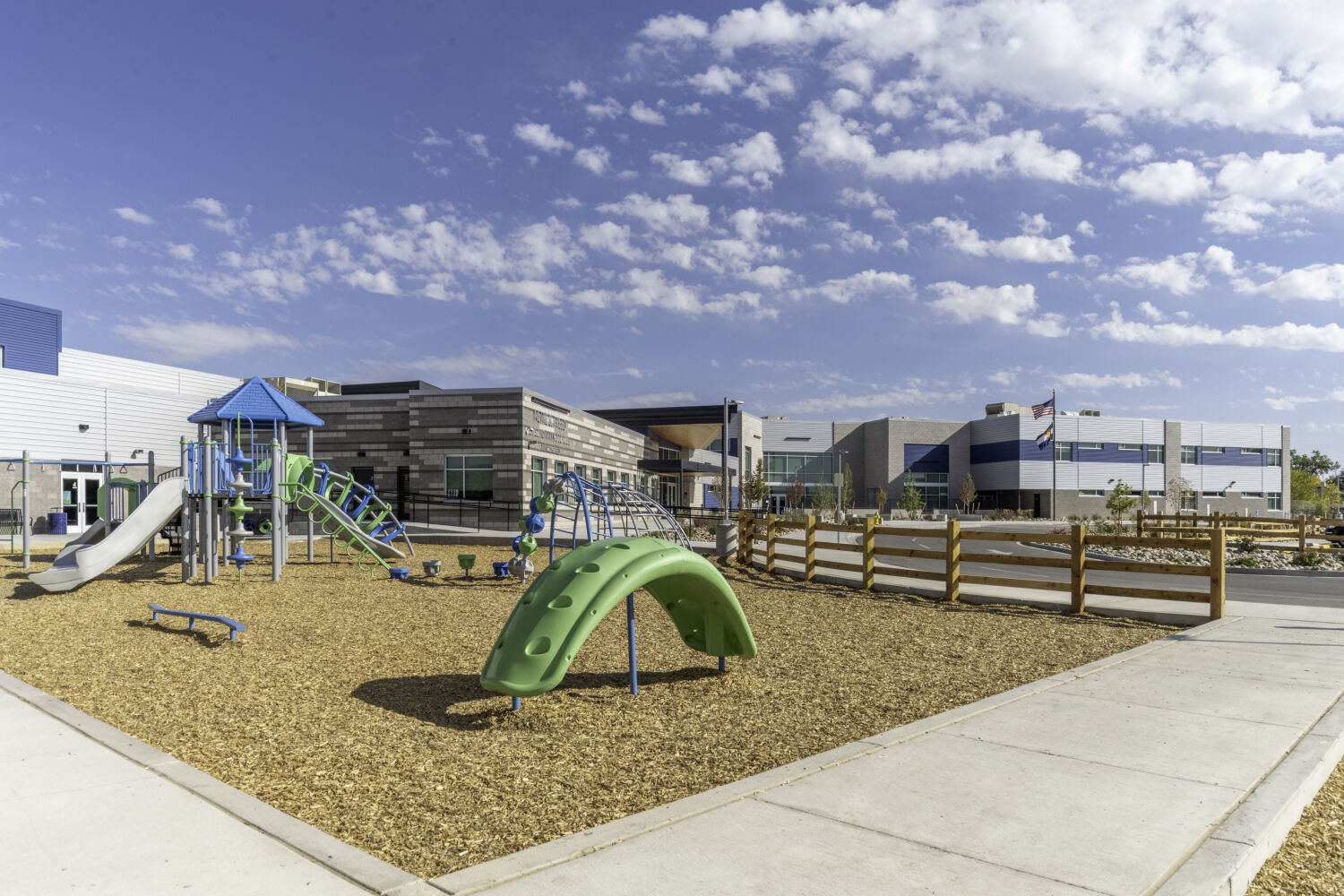
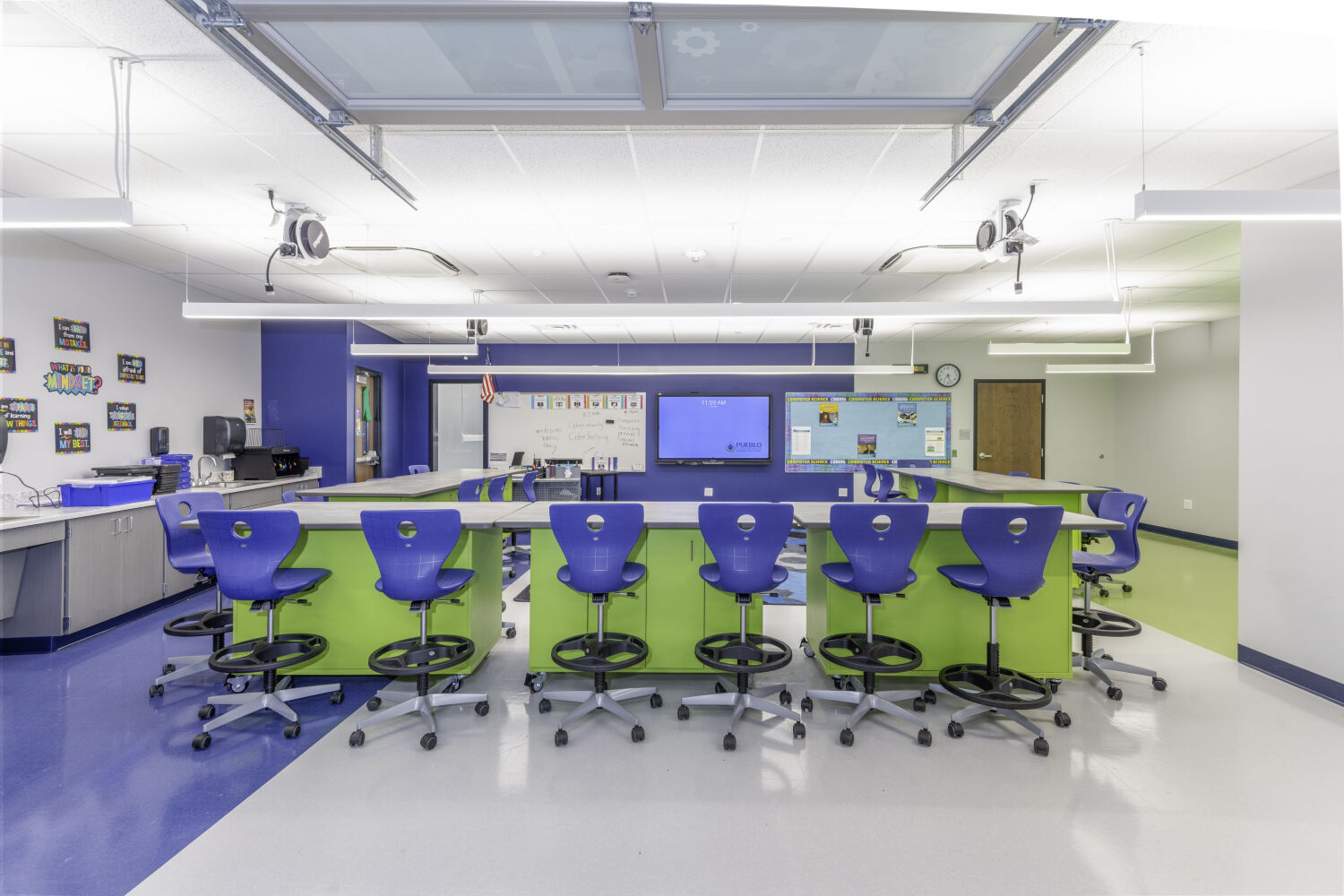
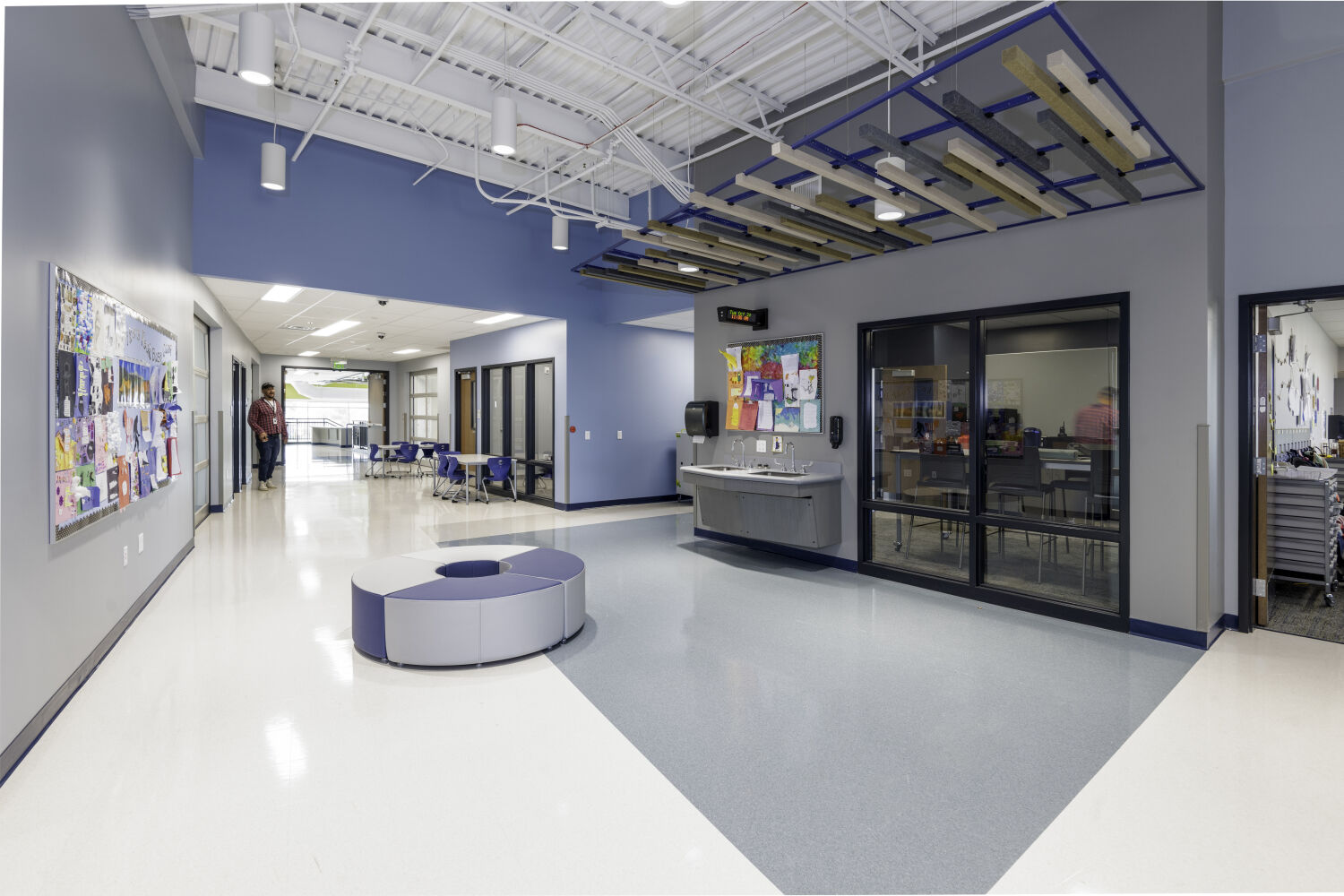
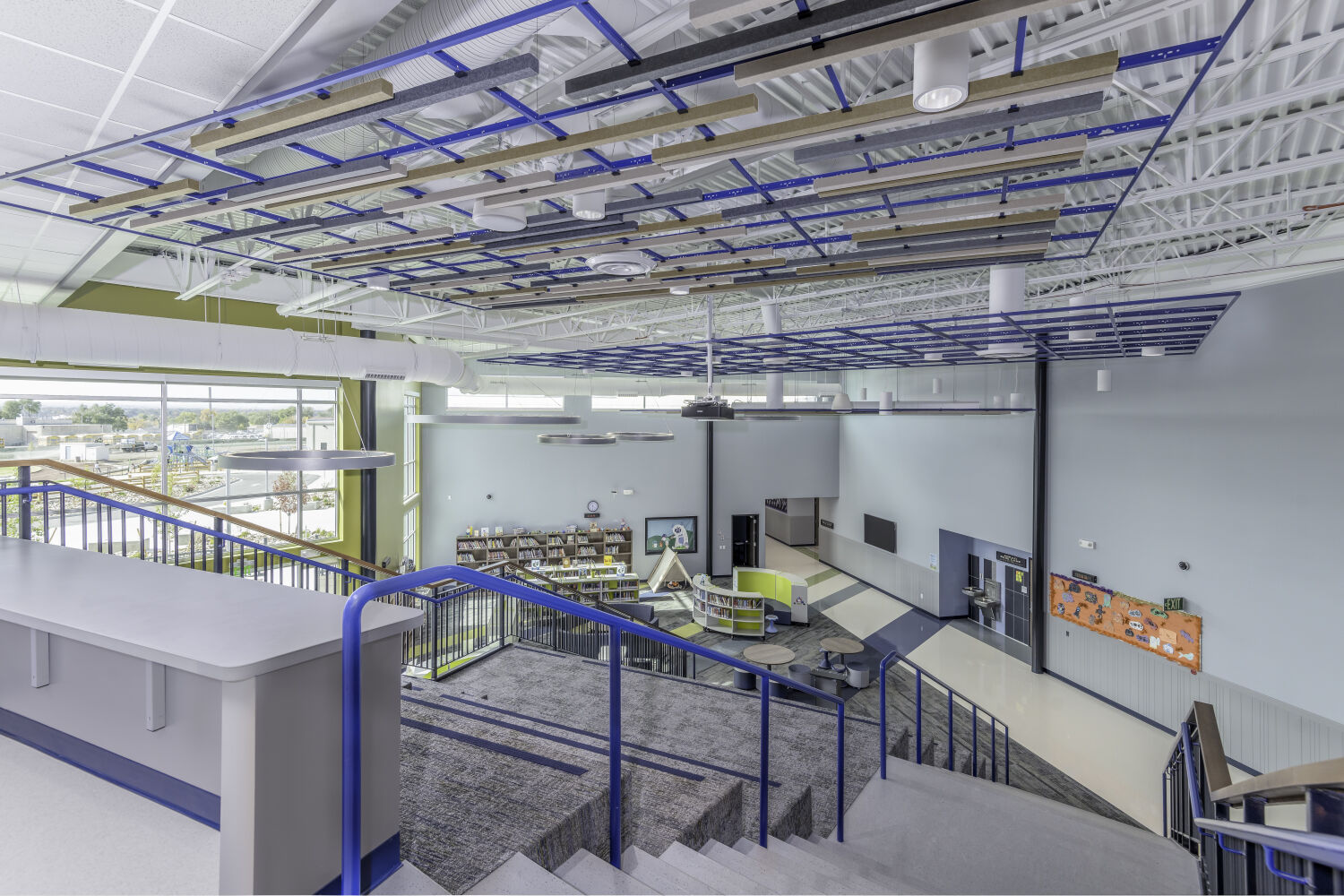
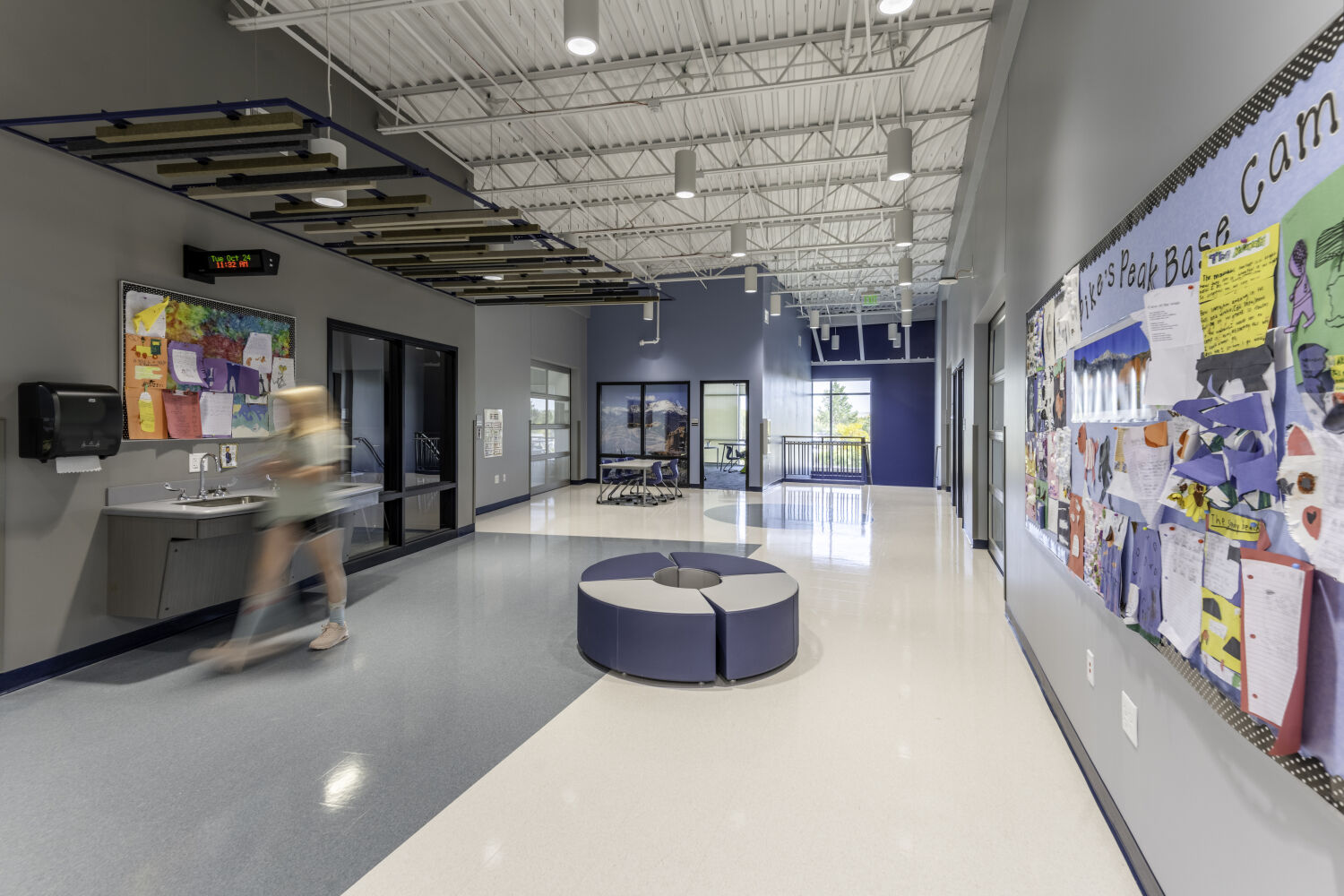
The design translates this philosophy into a dynamic, flexible environment that supports both independence and collaboration. Learning pods are organized around shared activity corridors and connected through operable overhead doors, allowing classrooms—known as “base camps”—to expand and adapt throughout the day. Outdoor learning areas extend these environments beyond the building, reinforcing a connection to exploration and place.
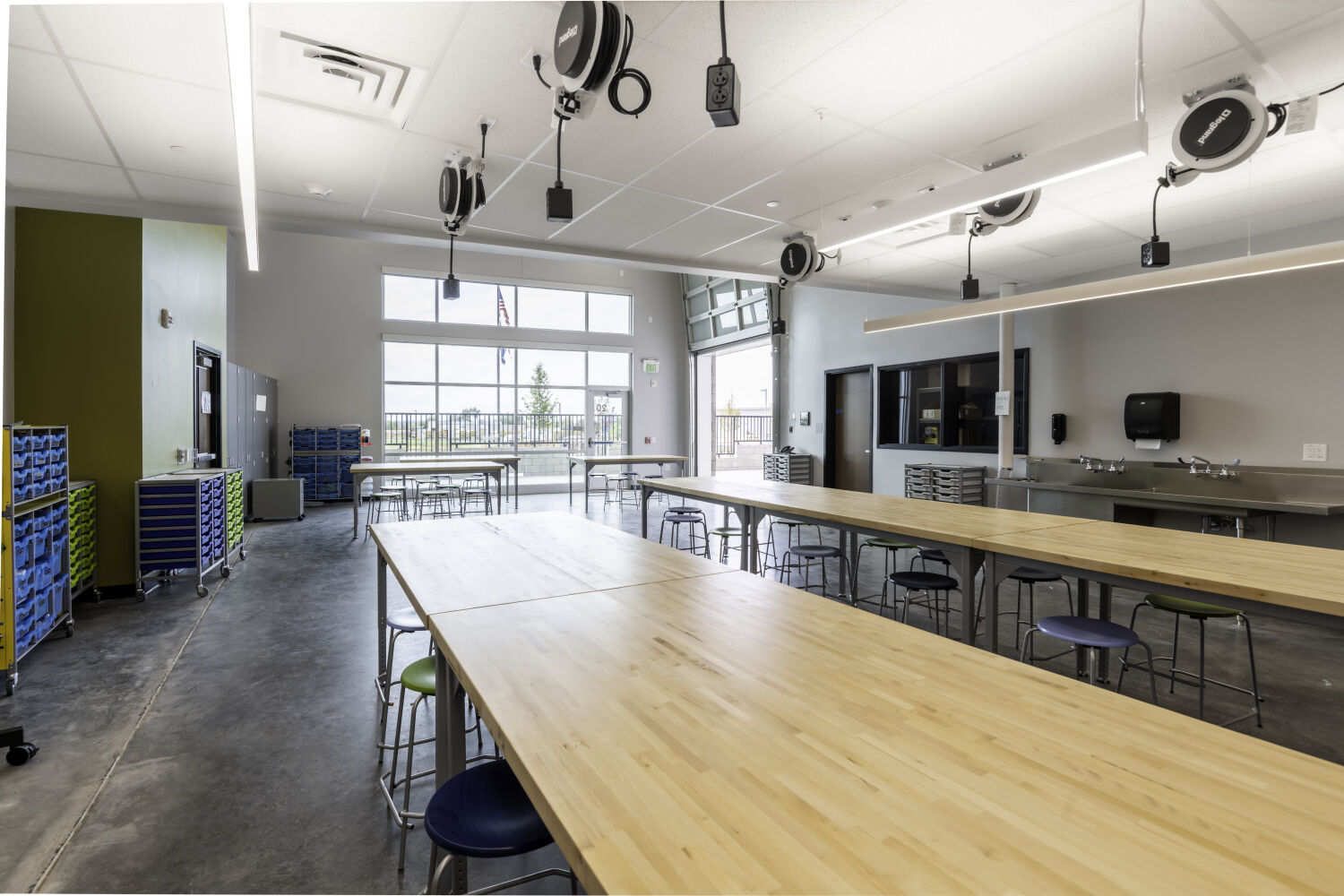
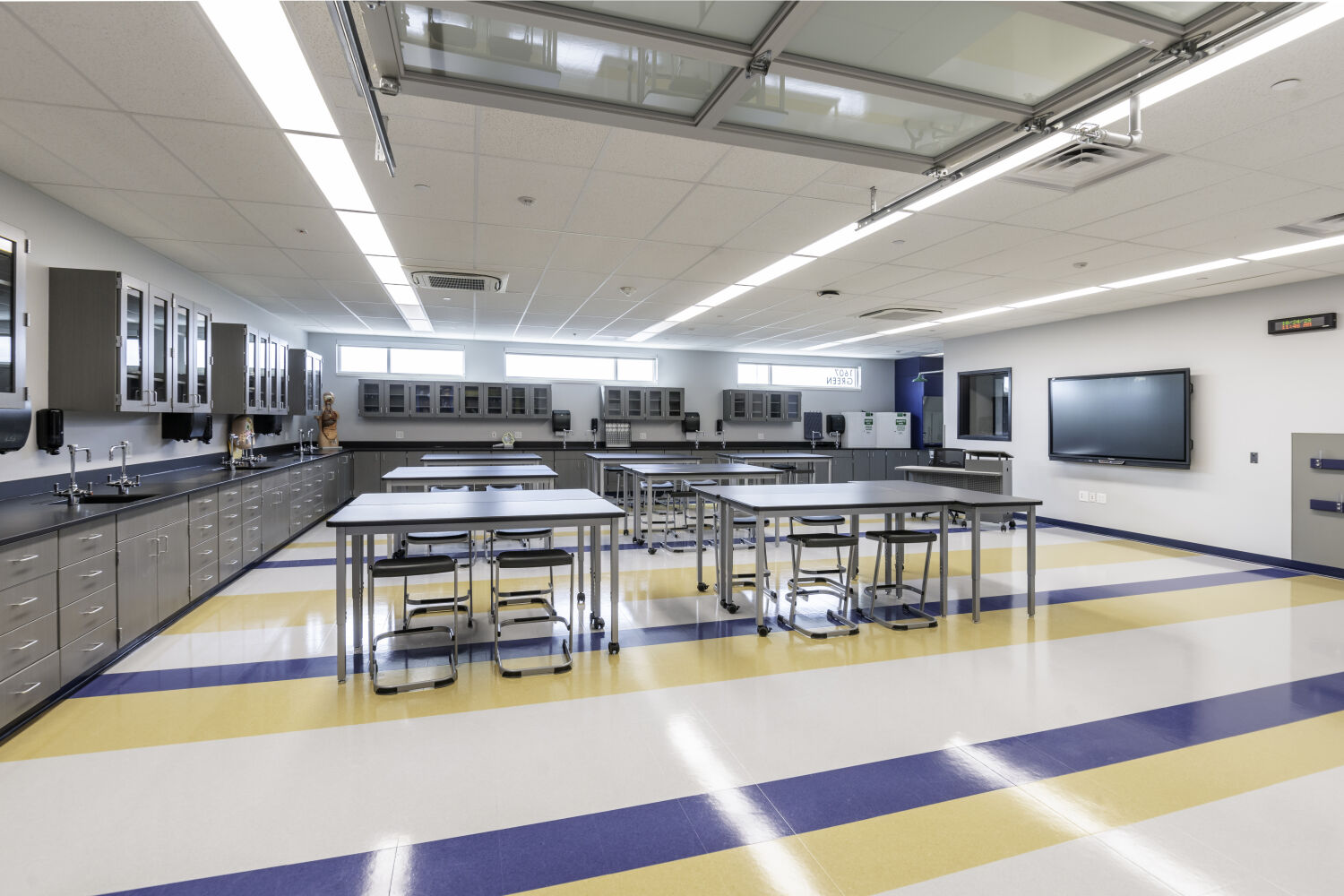
A mountain-inspired design theme reinforces the spirit of expedition, with each learning pod reflecting global peaks and cultures. Career and Technical Education is seamlessly integrated into the academic core, giving students early exposure to pathways such as health sciences, public safety, cybersecurity, and hospitality. Dedicated spaces like the “Design Den” and “Creation Cave” support making, prototyping, and discovery, while flexible furnishings and adaptable partitions allow spaces to evolve alongside teaching and learning.
The design process was highly collaborative, shaped by district leadership, educators, and the community through workshops and engagement sessions that ensured the building reflects shared goals and aspirations.
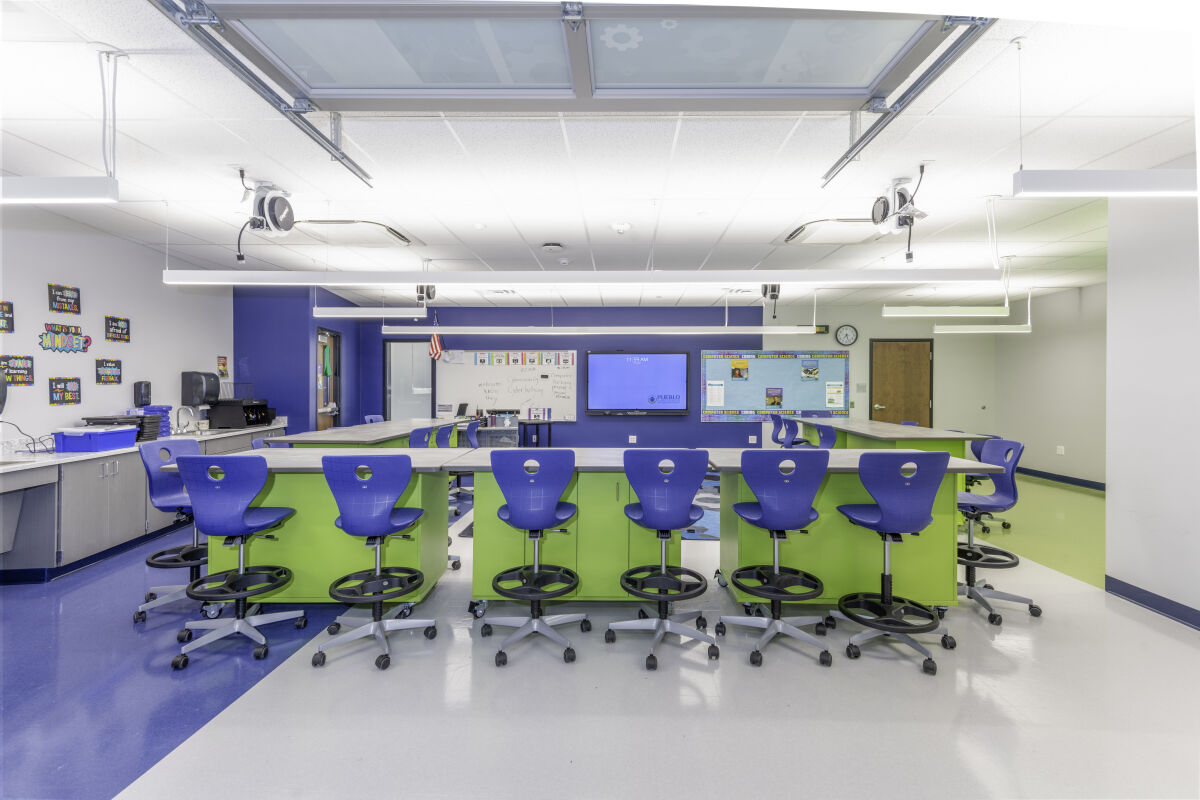
The completed Nettie S. Freed K–8 Expeditionary School stands as both a return and a reinvention—bringing a school back to a neighborhood that had long served as an educational anchor while introducing a new model for learning in Pueblo.
By expanding a proven prototype into a vertically integrated K–8 environment, the school provides continuity for students and families while addressing a long-standing shortage of accessible middle school options. As a magnet program, it draws learners from across the district, fostering a diverse and connected student body.
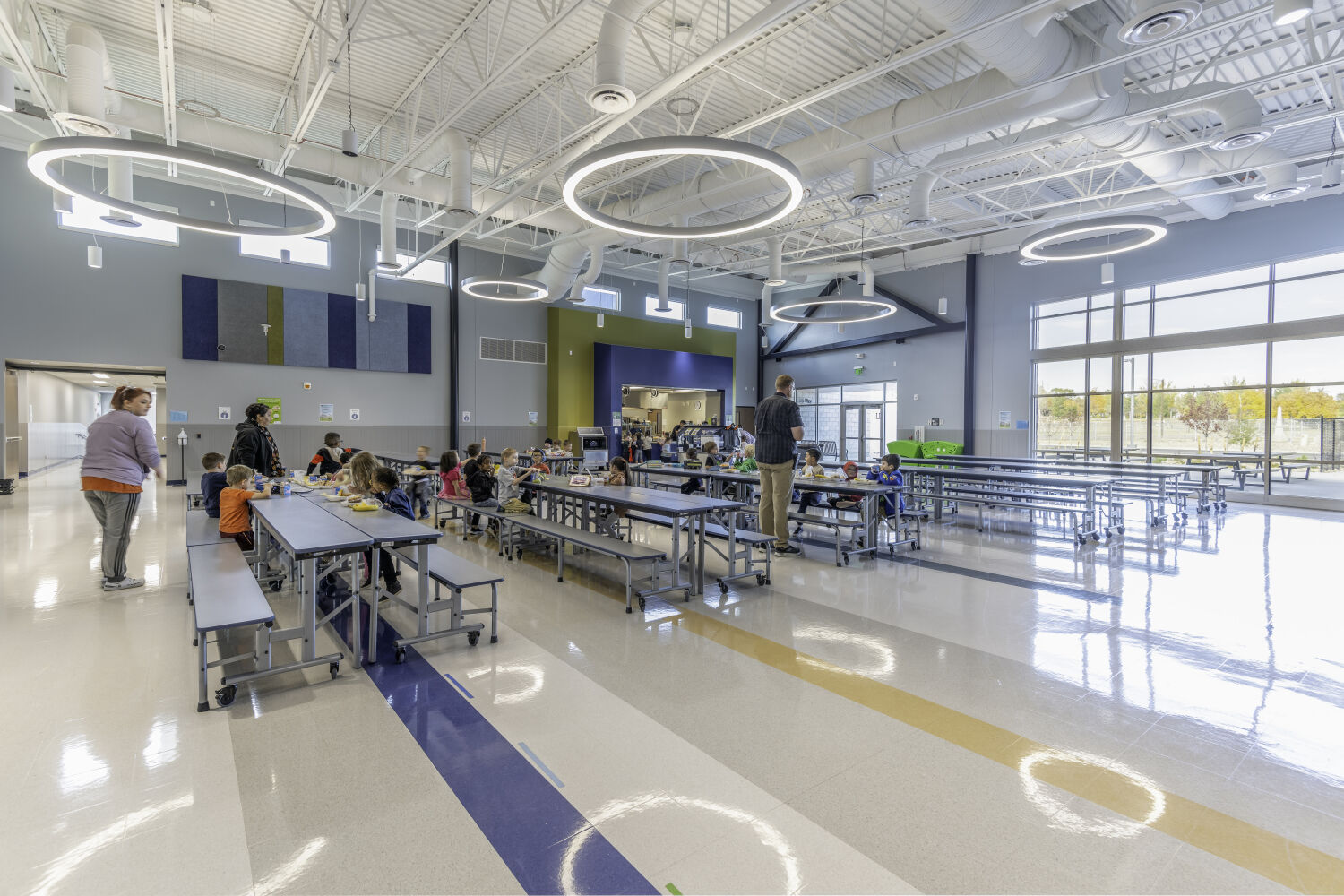
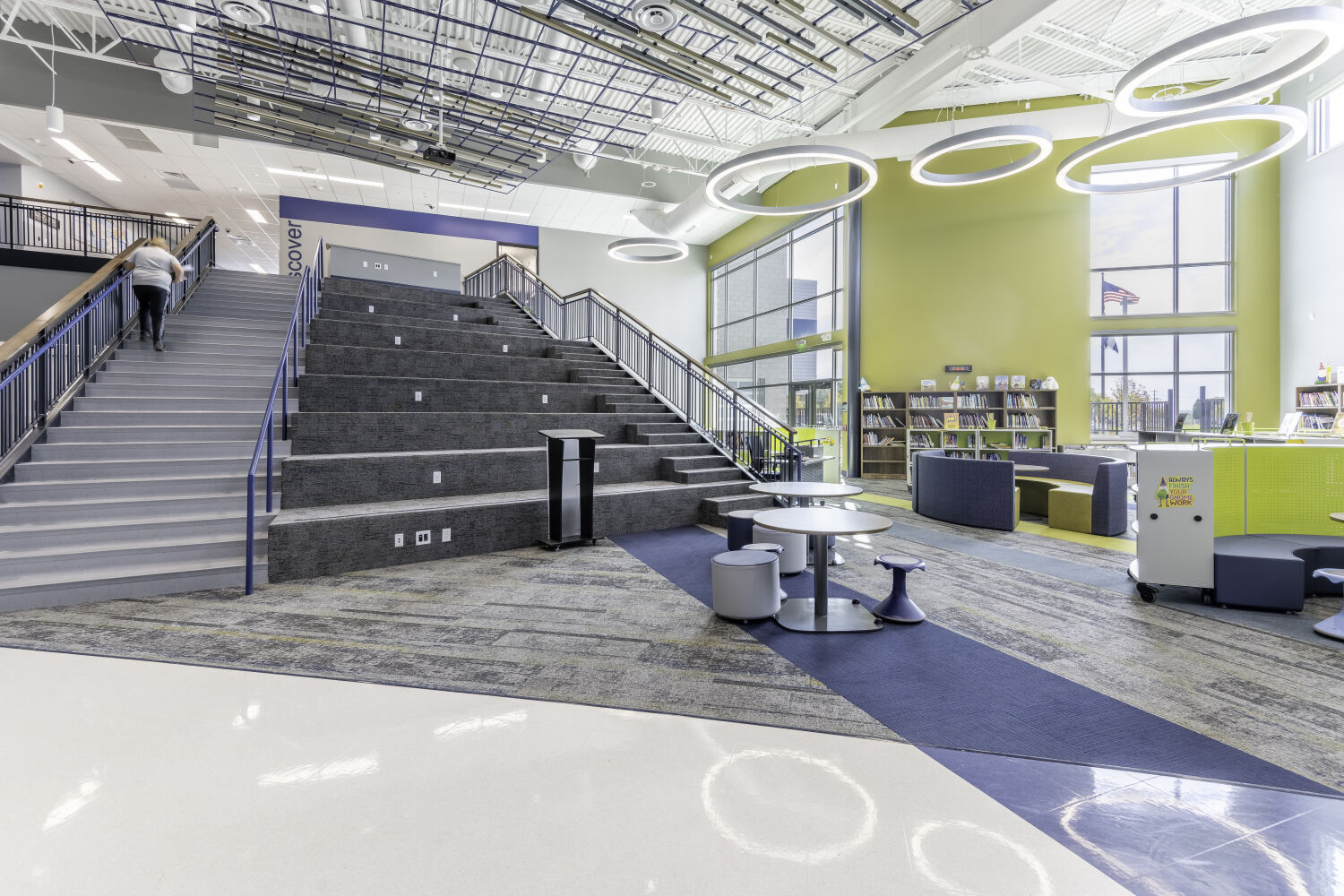
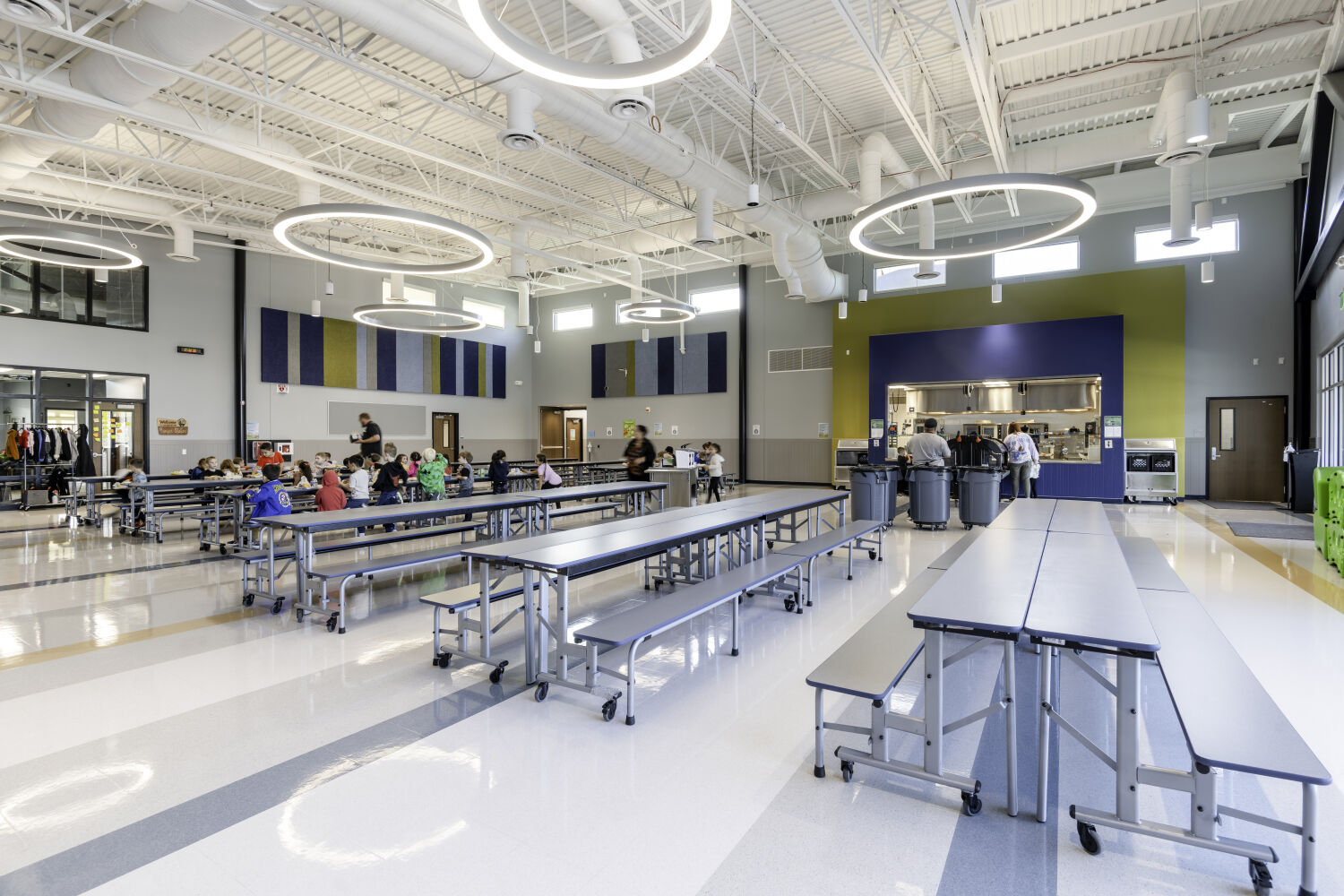
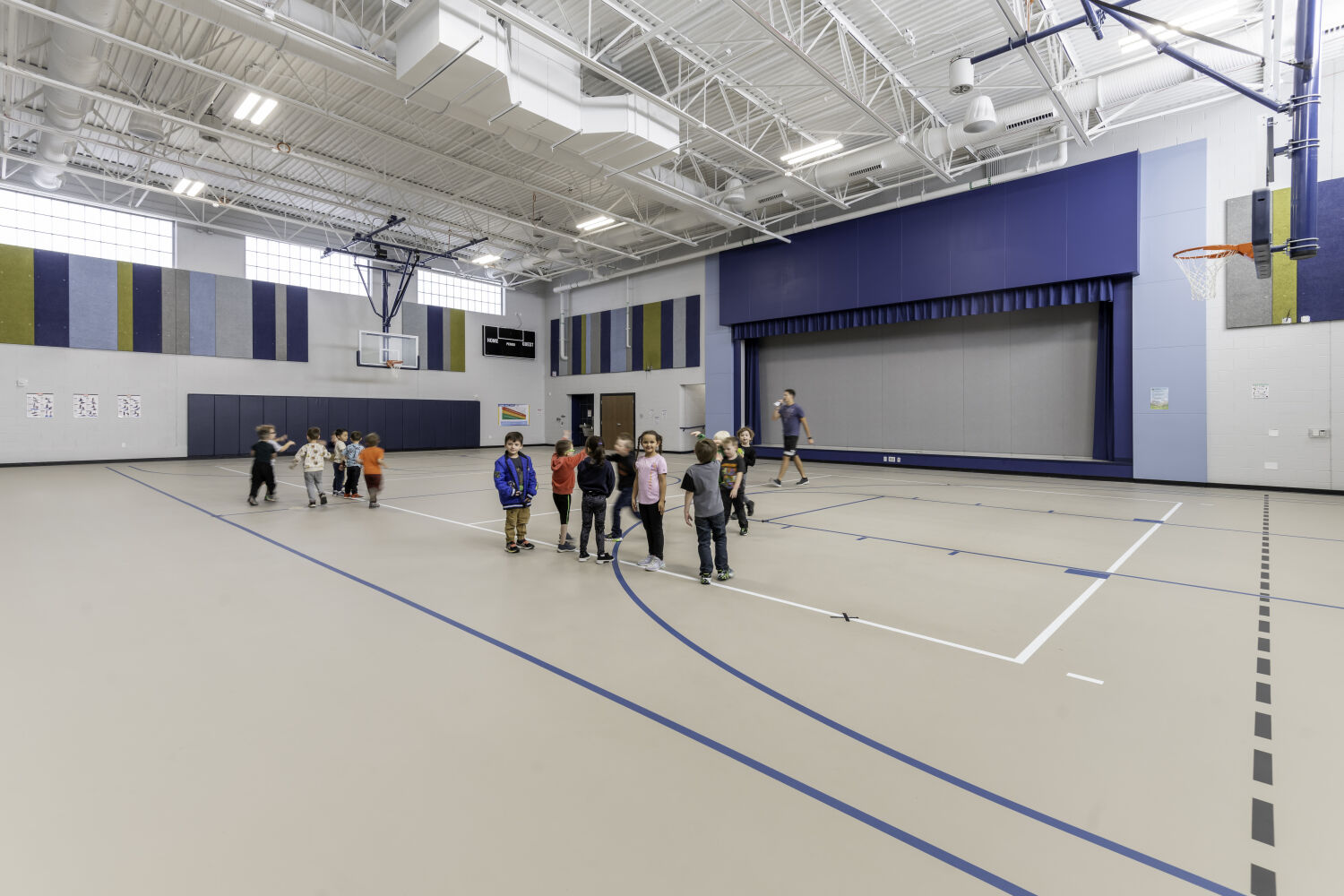
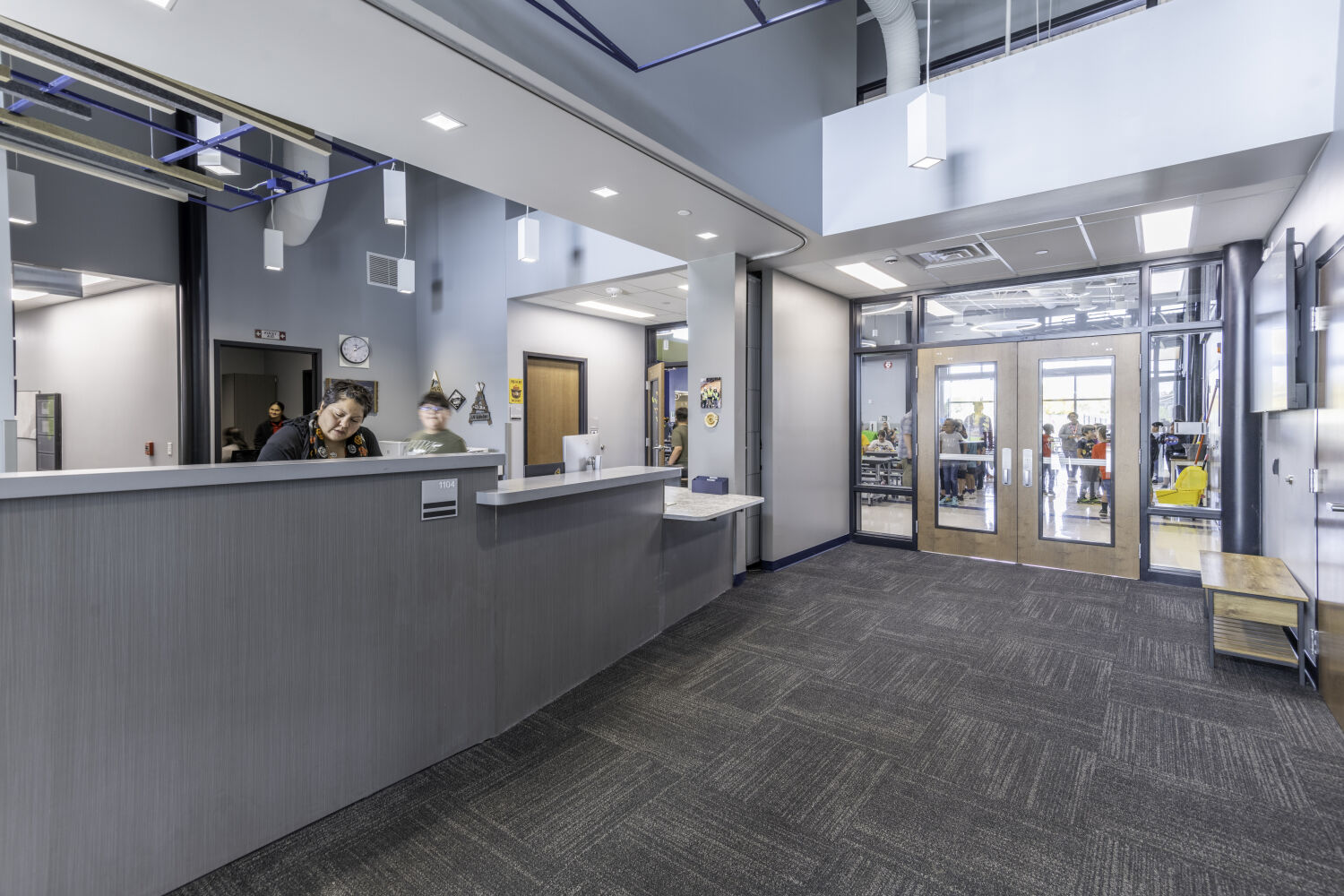
Inside, the building supports a culture of collaboration, creativity, and exploration. Students engage with advanced tools like 3D printers, participate in community-based learning, and work across grade levels in shared environments designed to break down traditional boundaries. The architecture itself becomes a teaching tool—encouraging movement, interaction, and discovery.
Nettie S. Freed K–8 is a strategic solution to a broader challenge—expanding access, supporting future-ready learning, and strengthening community connections through design.

COLORADO OFFICE
414 14th St. Suite 300
Denver, CO 80202
(303) 308-1190
WYOMING OFFICE
259 South Center St. Suite 206
Casper, WY 82601
(307) 268-9890