

COLORADO OFFICE
414 14th St. Suite 300
Denver, CO 80202
(303) 308-1190
WYOMING OFFICE
259 South Center St. Suite 206
Casper, WY 82601
(307) 268-9890

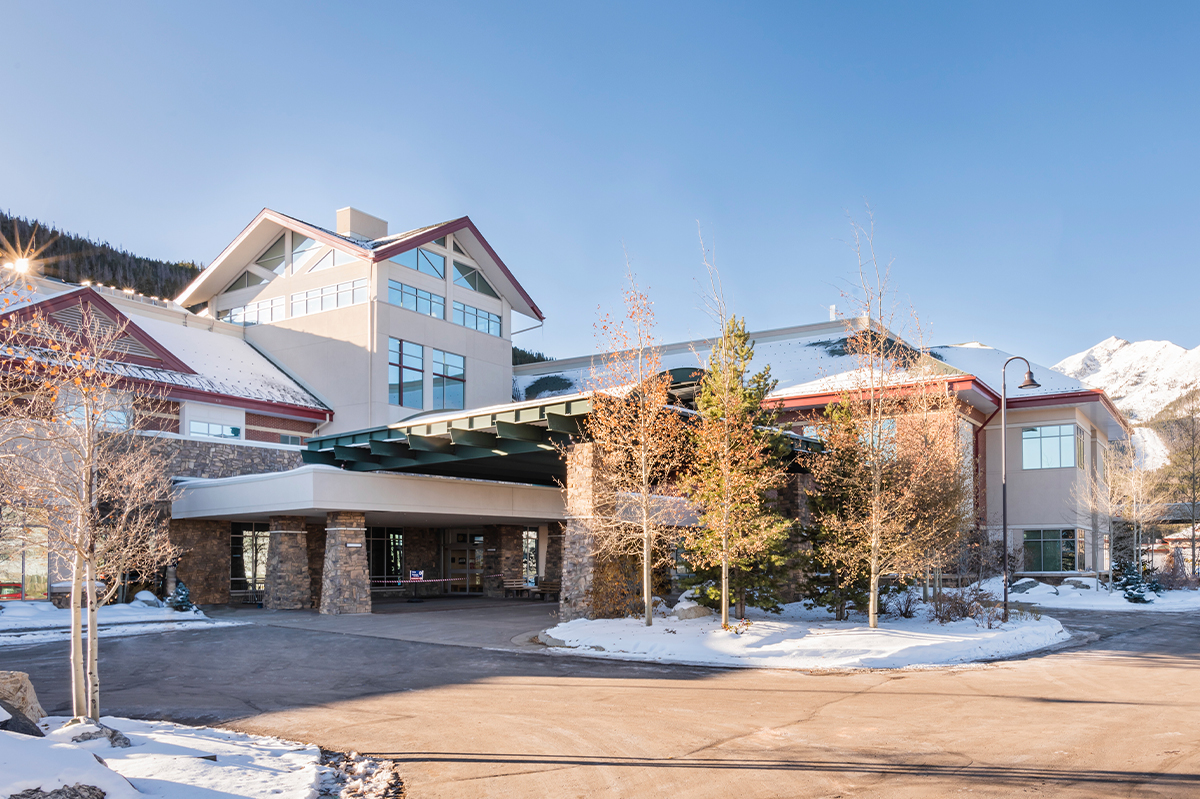
Designing healthcare facilities for rural communities requires a distinct approach, one that differs significantly from urban or suburban projects. Rural healthcare providers face unique challenges, including low patient volume, diverse payer mixes, workforce shortages, and geographic isolation. These factors directly influence design priorities and demand strategies that balance functionality, flexibility, and meaningful community engagement.
In rural settings, healthcare facilities often serve a broader purpose than simply delivering care. They become trusted resources, gathering places, and social anchors that reinforce the human connections essential to small communities. Thoughtful design must respond not only to clinical needs, but also to the relationships and sense of belonging that make rural healthcare unique.
Below are key considerations that guide our design process when working with rural healthcare clients.
Flexibility is always important in healthcare design, but it becomes critical in rural settings where patient volume and specialty availability may be limited. Many rural clinics rely on rotating specialists who visit weekly or on varying schedules. To accommodate this, exam rooms and support spaces must serve multiple functions, easily adapting to the needs of different specialties without sacrificing efficiency or patient comfort.
Multi purpose design solutions such as modular exam rooms, convertible procedure areas, and shared staff resources allow rural providers to deliver high quality care while maximizing the use of limited space and infrastructure. These adaptable environments also help clinics evolve alongside changing community needs, ensuring long term viability.
Telemedicine is increasingly essential in rural healthcare, connecting patients to specialists who are often concentrated in urban centers. However, effective telehealth is more than just installing technology. It requires spaces designed specifically to support meaningful human interaction.
Lighting quality, sound control, camera placement, and color rendering all influence how providers and patients perceive one another during virtual consultations. Proper lighting ensures that clinicians appear healthy, engaged, and trustworthy, while acoustical design reduces distractions and improves communication clarity. Even wall colors and finishes play a role in supporting accurate color rendering and a calm, professional backdrop.
When designed thoughtfully, telehealth spaces enhance the sense of presence between patient and provider, helping technology feel less like a barrier and more like a bridge. This attention to human connection is especially important in rural communities, where personal relationships remain central to care delivery.
A longstanding challenge in rural healthcare is workforce recruitment. Facilities must function not only as places of care but also as appealing workplaces. Design strategies that prioritize staff experience, including intuitive workflow, comfortable work areas, and opportunities for collaboration, play a crucial role in attracting and retaining talent, particularly primary care providers.
Beyond operational efficiency, these environments should foster a sense of belonging. In rural settings, providers often become deeply embedded in the community, and facilities that support teamwork, well being, and informal interaction help strengthen those connections. A well designed clinic becomes both a healthcare hub for the community and a desirable professional environment.
Privacy considerations take on heightened importance in rural settings. In small communities, patients may encounter neighbors at the only behavioral health or specialty clinic in town, which can create hesitation around seeking care. Thoughtful design helps maintain confidentiality by carefully organizing waiting areas, circulation, and consultation spaces to minimize exposure.
Strategies may include discrete entrances, separated check in zones, direct to room patient flow, and sound mitigating materials that reduce the risk of conversations being overheard. These approaches support patient comfort and encourage access to care by creating environments where individuals feel their privacy is respected while still maintaining a welcoming atmosphere.
In rural areas, healthcare facilities often become some of the largest and most prominent buildings in the community. A distinctive facility can strengthen community relations, enhance institutional visibility, and even help attract new residents or medical staff.
Equally important is the facility’s role as a community centered space. Waiting areas may double as informal gathering spaces, education rooms may host wellness events, and outdoor areas can support community activities. In many rural projects, this sense of connection begins during the design process itself, where engaging community members, staff, and local stakeholders helps shape facilities that reflect shared values and strengthen long term ownership.
Design elements that reflect local culture, history, and environmental context help create a sense of place and pride, reinforcing the facility’s role as both a healthcare destination and a community anchor.
Designing for rural healthcare clients requires a deliberate balance of adaptability, technology integration, workforce support, privacy, and community identity. At its core, rural healthcare design is about strengthening human connection between patients and providers, between facilities and communities, and between technology and care delivery.
When these priorities are thoughtfully addressed, facilities can expand access to care, support providers, and serve as lasting anchors within the communities they serve.
COLORADO OFFICE
414 14th St. Suite 300
Denver, CO 80202
(303) 308-1190
WYOMING OFFICE
259 South Center St. Suite 206
Casper, WY 82601
(307) 268-9890